Oct . 21, 2024 05:34 Back to list
A Step-by-Step Guide to Creating Your Own Graphite Blocks
How to Make Graphite Blocks A Comprehensive Guide
Graphite blocks are essential materials widely used in various industries, including steel-making, foundry, and battery production, owing to their excellent electrical and thermal conductivity, lubricating properties, and high resistance to heat and wear. Making graphite blocks involves several stages, from raw material selection to final processing. This guide will walk you through the key steps in producing high-quality graphite blocks.
1. Understanding Graphite
Graphite is a form of carbon that occurs naturally but can also be created synthetically. It features a unique layered structure that allows it to be an excellent conductor of electricity and heat, making it highly sought after in numerous applications. Synthetic graphite is usually preferred for block production since it can be engineered to meet specific requirements.
2. Raw Material Selection
The primary raw material for manufacturing graphite blocks is petroleum coke or coal tar pitch. Petroleum coke is derived from the petroleum refining process, while coal tar pitch is a byproduct of the carbonization of coal. These materials undergo thermal treatment, resulting in a high carbon content, making them ideal for graphite production. The purity, particle size, and composition of these materials significantly influence the quality of the final graphite blocks.
3. Calcination
The first step in the production process is calcination. This involves heating the raw materials to high temperatures (around 1200 to 1400 degrees Celsius) in a rotary kiln. The purpose of calcination is to remove volatile substances and moisture, resulting in a denser and purer carbon material. The choice of calcination temperature and time is critical, as it influences the structure and properties of the resultant coke.
Once calcination is complete, the calcined petroleum coke is cooled and then ground into a fine powder. The size of the powder is crucial; finer particles can lead to better packing density and quality in the final product. After grinding, the powdered coke is mixed with a binding agent, typically coal tar pitch, which helps in forming a coherent mass during pressing.
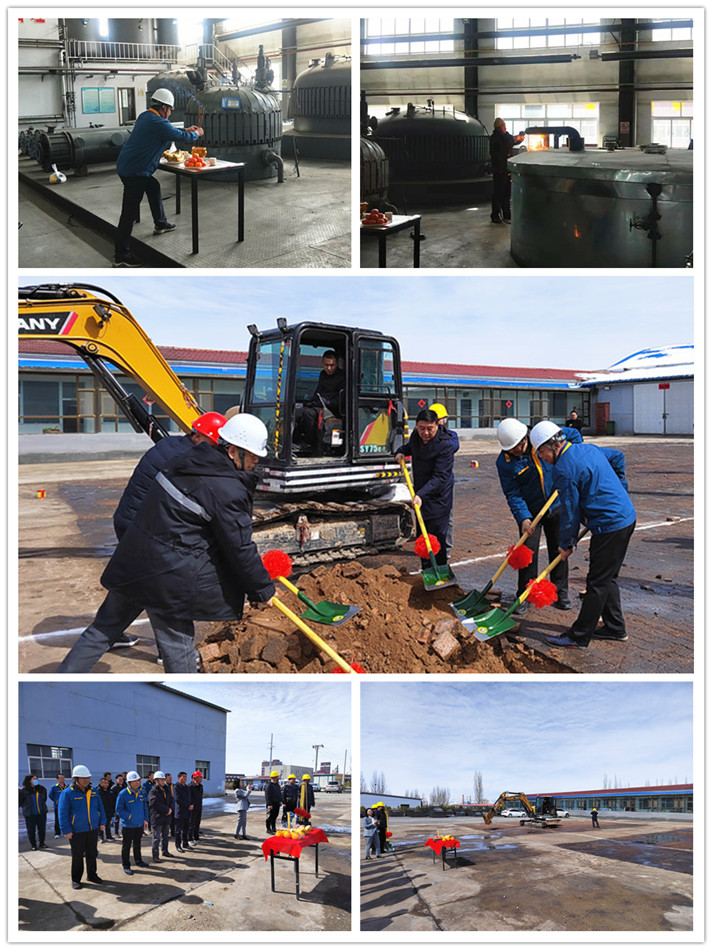
how to make graphite blocks
5. Pressing
The mixed material is then formed into blocks using a hydraulic press. This process involves applying high pressure to shape the mixture into blocks of desired sizes and densities. The pressing technique is vital as it determines the density, porosity, and overall strength of the graphite blocks. The blocks should be compacted uniformly to ensure consistent quality.
6. Baking
After pressing, the blocks are subjected to a baking process, often referred to as graphitization. The blocks are heated in an inert atmosphere (often argon) at temperatures ranging from 2500 to 3000 degrees Celsius. This step transforms the amorphous carbon into graphite, enhancing its electrical and thermal properties. Baking time and temperature must be carefully controlled to avoid defects in the graphite structure.
7. Machining
Once the baking process is finished, the graphite blocks may still require machining to achieve the desired dimensions and surface finish. This step involves cutting, grinding, and milling the blocks to specification. Efficient machining is essential, as it directly impacts the blocks' usability in various applications.
8. Quality Control
After machining, it's crucial to perform quality control checks. This includes testing for density, resistivity, and thermal properties. Advanced testing methods, such as X-ray diffraction and electron microscopy, can help assess the crystalline structure of the graphite. Only those blocks that meet stringent quality control standards will be approved for use in industrial applications.
Conclusion
Creating graphite blocks is a complex process that demands precision and control at each stage. From raw material selection to quality assurance, each step plays a vital role in ensuring the production of high-quality graphite blocks. As industries continue to expand and develop new applications for graphite, understanding the manufacturing process becomes increasingly important, allowing manufacturers to optimize their production methods and meet evolving market needs. By mastering the art of graphite block production, manufacturers can contribute to advancements in technology and materials science.
 Italian
  English
  French
  German
  Japanese
  Portuguese
  Russian
  Spanish
  Turkish
  Vietnamese